Six Months In: Inside ARGENTIC’s First Technical Meeting in Oulu
13 November 2026
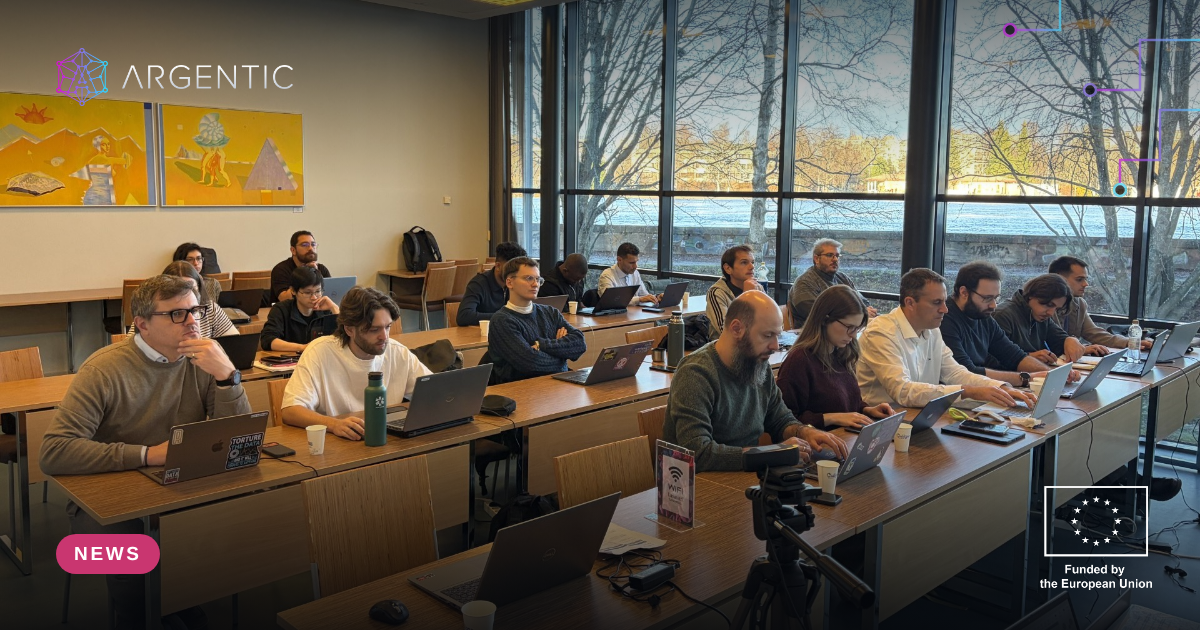
Six months into the project, the ARGENTIC consortium travelled north. On 5–6 November 2026, partners met in Oulu, Finland, for our first technical meeting, hosted by the University of Oulu. The goal: turn plans on paper into a shared technical vision, and have some fun building it together.
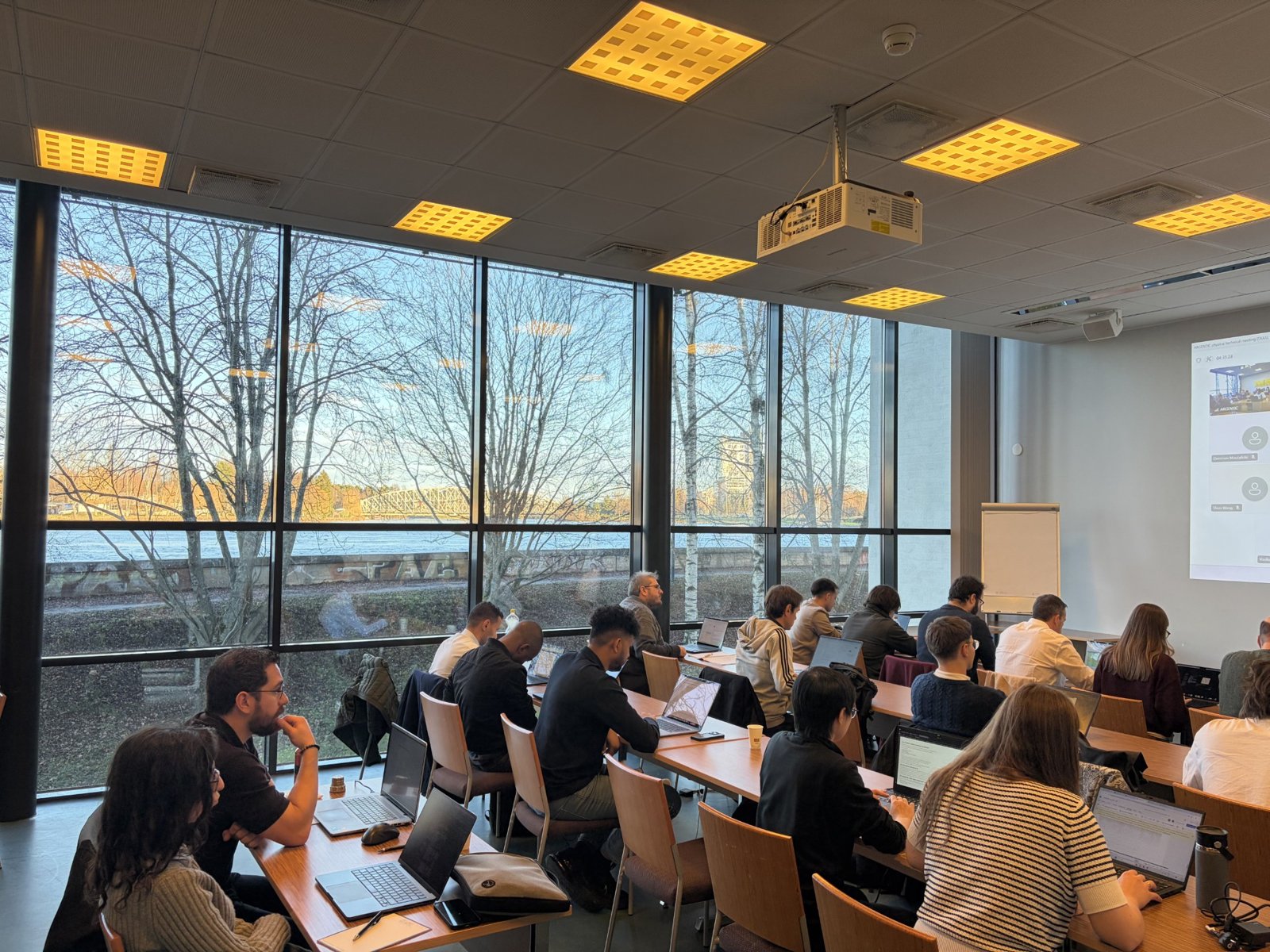
For two days, researchers, engineers and pilot partners worked side by side in Oulu, with colleagues joining online from across Europe. On the table: the ARGENTIC architecture, the technical components we are building, and how each of them will come to life in our seven pilots, from cardiology and mental health to energy, marketing, cultural heritage, recruitment and strawberry farming.
Six things we explored
- One question, many partnersHow a single request travels through the ARGENTIC architecture, step by step.
- Small models at the edgeCompact language models that can run on local devices instead of a distant data centre.
- Agents that speak the same languageOpen protocols, built on the A2A standard, so agents can find each other and share tasks.
- Learning without sharing raw dataFederated learning, so models improve while sensitive data stays where it is.
- Knowledge you can trustChecks on where retrieved information comes from, how fresh it is and who may use it.
- Ethics from day oneAn ethics and risk review of all seven pilots, with independent experts on board.
One question, many partners
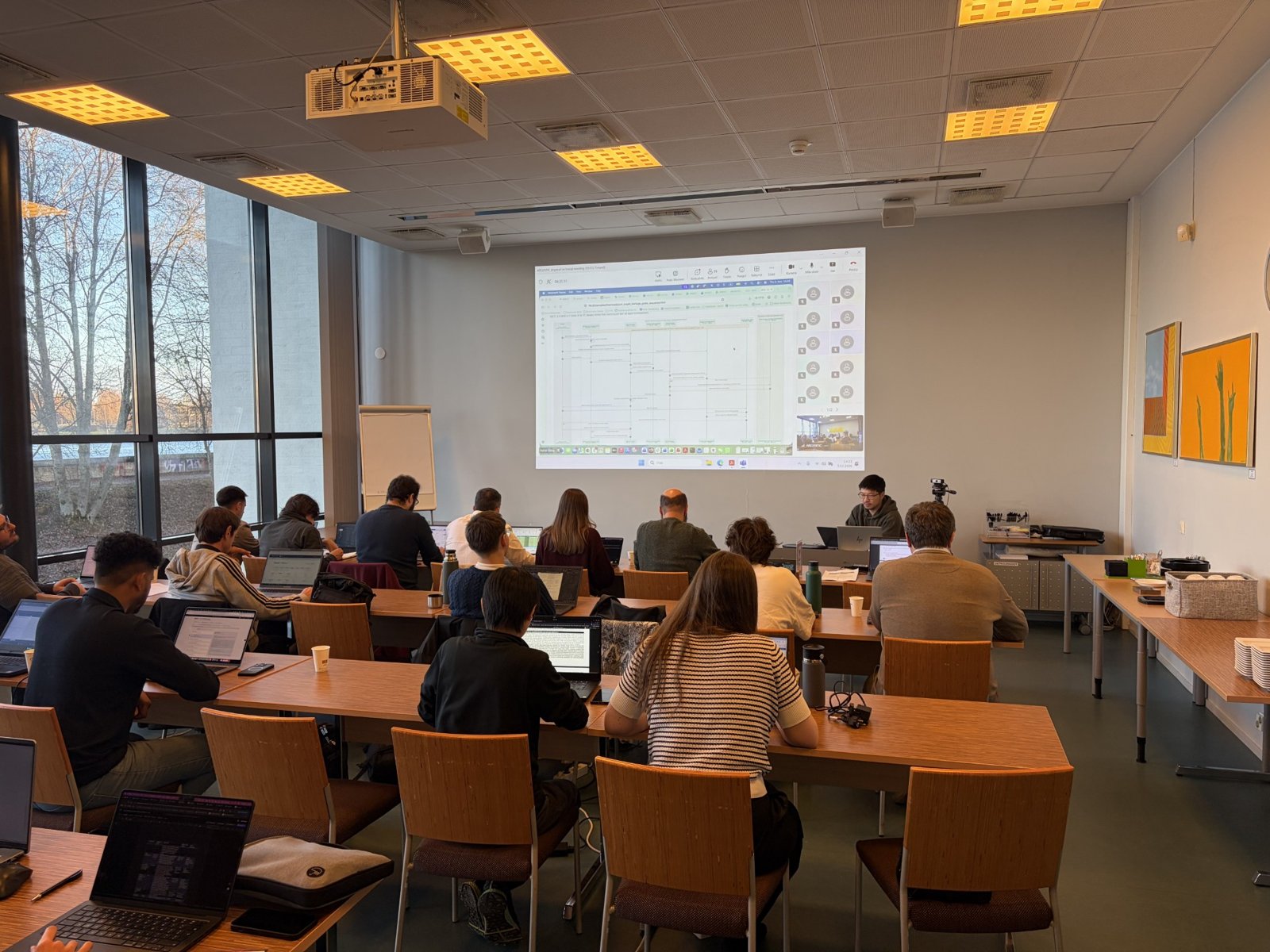
What actually happens when someone asks an ARGENTIC system a question? We followed a single request on its journey through the architecture. It is encoded, routed by an orchestrator to the right pilots and hardware, answered with knowledge from local knowledge graphs, checked and ranked, and only then turned into an answer by a domain model. If a decision is critical, a human is brought in before anything happens. Tracing one question end to end helped every partner see where their component fits.
Small models, big ambitions
Not every AI task needs a giant model in a data centre. Partners shared first experiments with compressed small language models running on ordinary processors, and plans to benchmark them on different hardware, including European and open platforms such as RISC-V. The aim is AI that is faster, uses less energy and keeps data close to where it is created.
Our ambitions are concrete:
Project targets set in the ARGENTIC Grant Agreement, to be measured in the pilots.
Agents that speak the same language
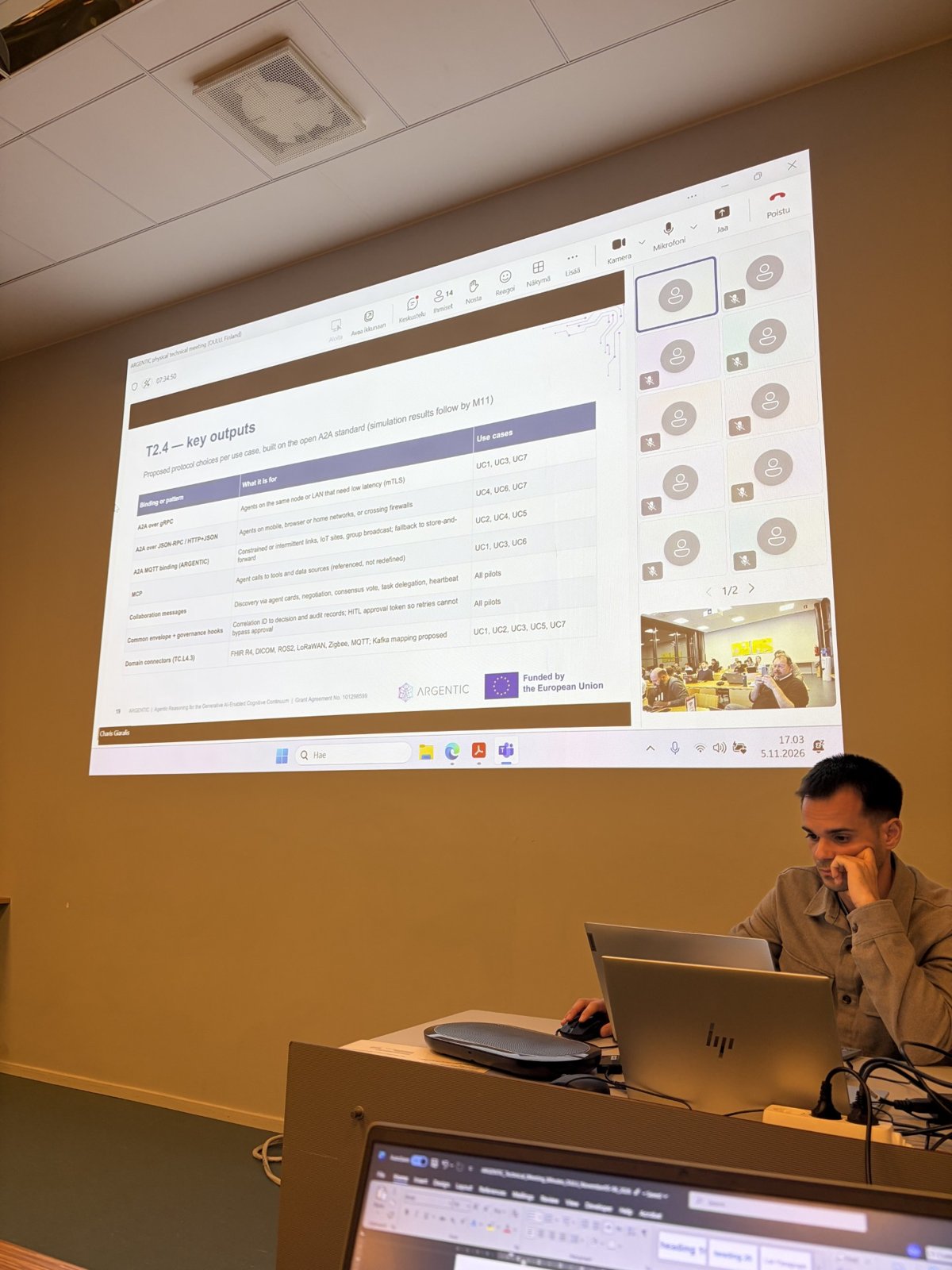
For agents to cooperate across hospitals, farms, factories and businesses, they need common ways to talk. The consortium discussed protocol choices for each pilot, built on the open Agent2Agent (A2A) standard: from fast connections for agents on the same local network, to lightweight messaging for devices with weak or intermittent connectivity. Every message can carry the information needed for audit and human approval.
Learning together, while data stays at home
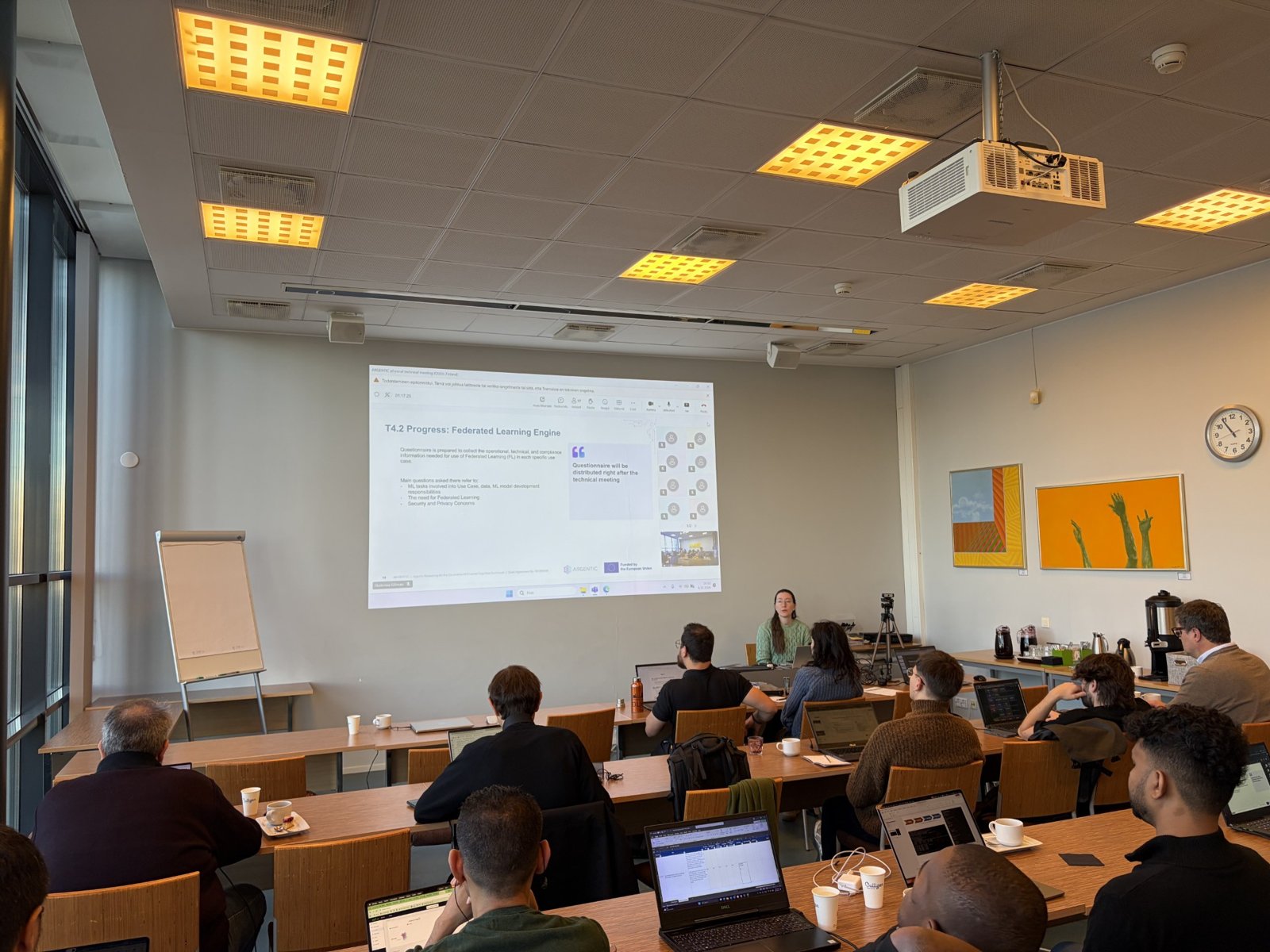
Many of our pilots handle sensitive data, from patient records to breeding know-how. With federated learning, models can improve together without raw data ever leaving a pilot site. ARGENTIC federates selectively: partners in the same domain, such as our two healthcare pilots, can share learned patterns, while other domains share only high-level knowledge about running AI efficiently across the continuum.
Trust also depends on the information agents use. Before anything reaches a language model, retrieved knowledge passes a series of automated checks: where it comes from, how fresh it is and whether the agent is allowed to use it.
Ethics from day one
Rather than leaving ethics for later, ARGENTIC builds it in from the start. All seven pilots went through an ethics and risk review, covering the EU AI Act, GDPR and sector-specific rules. Partners also looked at the specific risks of agentic AI, such as an agent overstepping its permissions or human oversight being bypassed, and how to test for each of them. An External Ethics Board of independent experts reviews this work.
Digital twins as a safe sandbox
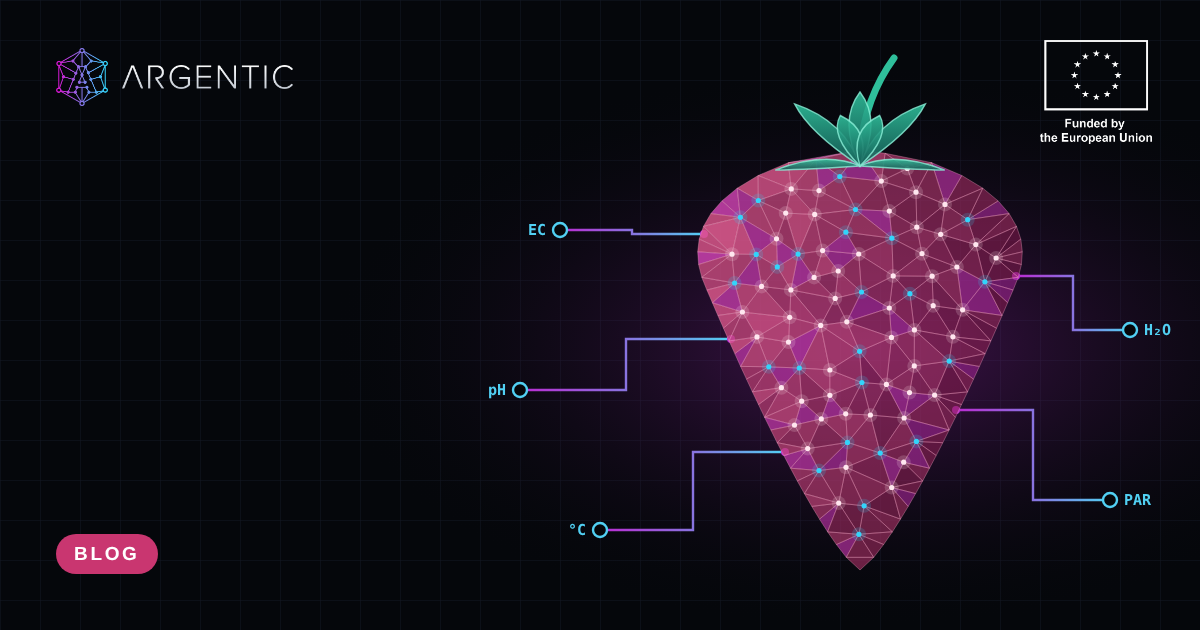
How do you test an AI agent before it meets the real world? A digital twin can act as a sandbox, where agents are tested against simulated scenarios before they go live. In the strawberry pilot, for example, the twin could explore how a variety copes with drought or heat. Partners discussed how the twin could help each pilot, from scenario planning to anomaly detection.
What’s next
We left Oulu with a clearer shared picture of the architecture, the role of each component in each pilot and the steps towards our first technical review in early 2027. And, as the agenda put it, with one more objective achieved: build passion!
A big thank you to the University of Oulu for hosting us, and to every partner who joined in person or online. Kiitos! 💙
👉 Discover the seven ARGENTIC pilots
Follow our journey
Updates, events and results from ARGENTIC on LinkedIn.